
Building skills for movement, play, and everyday tasks
Motor support is about joining in with activities a child needs or wants to do.

Motor skills are part of daily life
Strength, coordination, planning, body awareness, and confidence meet inside ordinary activities.
What you may be noticing
Difficulty with playground activities, balance, drawing, cutting, fasteners, utensils, or new movement sequences.
-
Playground activities Balance, coordination, and confidence can affect joining in.
-
Drawing, cutting, fasteners, or utensils Hand skills and tool use may need purposeful practice.
-
New movement sequences Planning, body awareness, and strength can shape how a child approaches movement.
How OT may help
We look at the task, practise through purposeful activities, and adapt tools, positioning, or steps when useful.
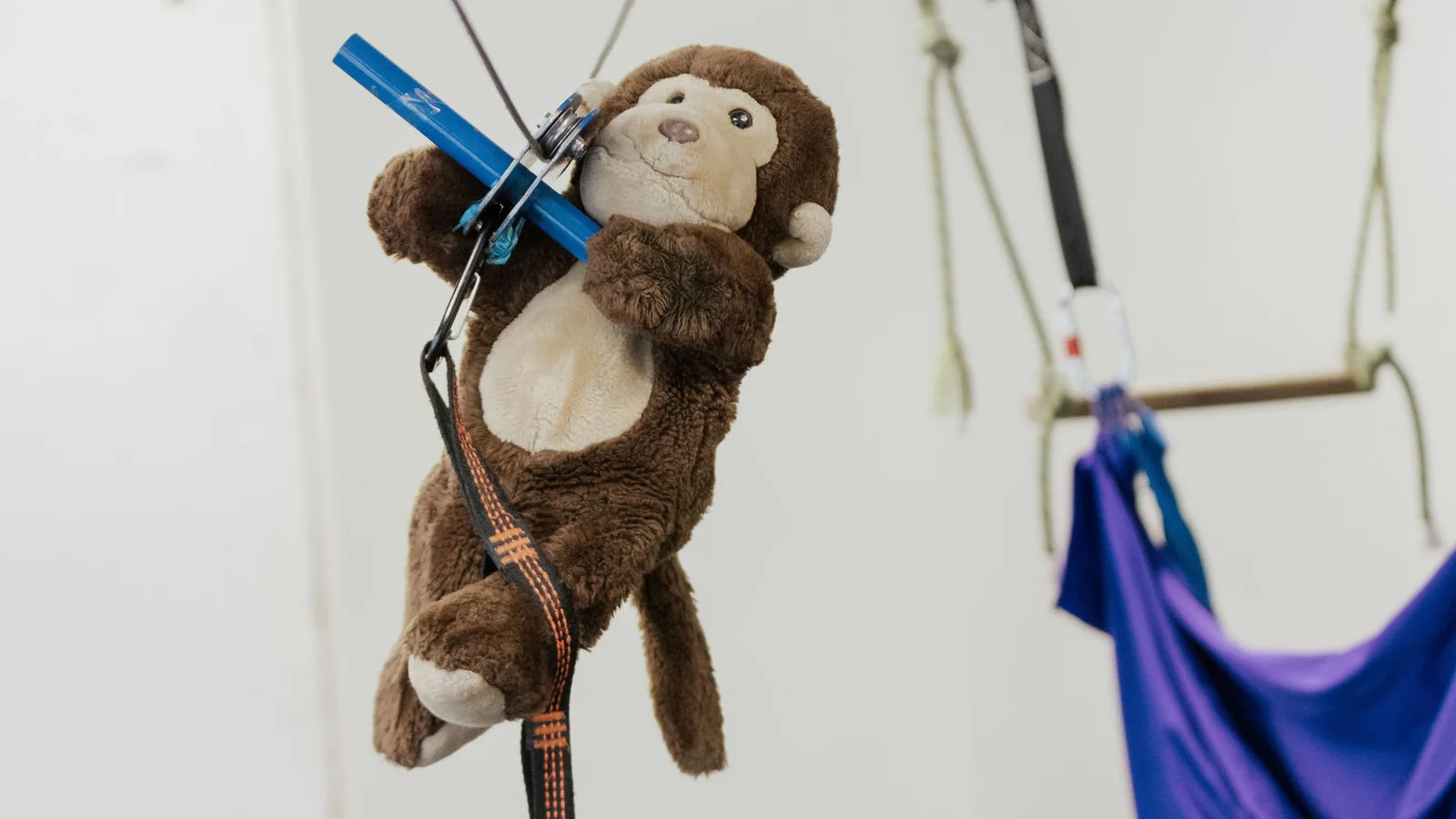
Support that fits everyday life
Depending on the child and family priorities, support may include:
Obstacle courses
Using purposeful movement to practise coordination, planning, and confidence.
Hand-skill activities
Practising hand use through activities that matter to the child.
Dressing tasks
Practising dressing steps, tools, and strategies for everyday participation.
Playground preparation
Building confidence and access for playground movement and play.
Classroom tools
Reviewing tools and set-up that support participation in classroom tasks.
Carrying skills into home and school
We look for useful repetition without turning home into therapy.
-
Home practice
-
School activities
-
Dressing tasks
-
Playground preparation
-
Classroom tools
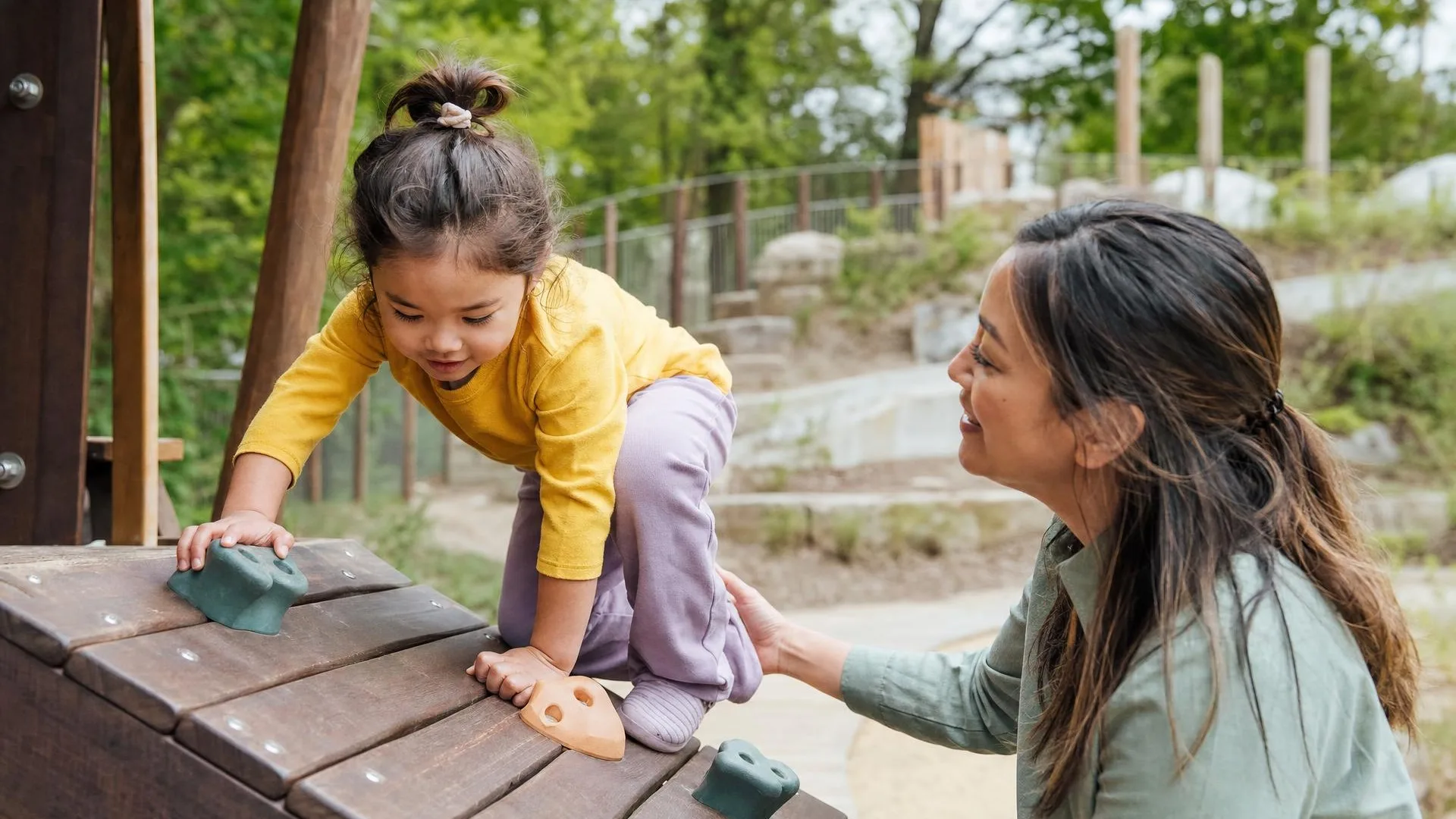
OT at WonderKids has been foundational to his growing physical and emotional confidence, to his increased physical strength and coordination.
Parent of a WonderKids clientRelated support
-
Sensory regulation Considering sensory experiences, body cues, and environments that affect participation.
-
Daily independence Supporting participation in self-care and everyday routines.
-
Executive functioning Supporting planning, starting, shifting, and following through with everyday tasks.
-
Social play Supporting meaningful play, connection, and participation.
Let’s discuss the best fit
Tell us which activities your child wants or needs to do more comfortably.