
Making everyday routines more manageable
Hard routines can affect the whole family. Support begins with the part of the day that matters most.

Why a routine may be hard
Sensory demands, motor skills, communication, sequencing, fatigue, environment, and expectations can all play a part.
What you may be noticing
Dressing, grooming, toileting, bedtime, or getting ready may be stressful or require more support than expected.
-
Dressing and grooming Clothing, tools, body sensations, and the order of steps may make self-care harder.
-
Toileting and bedtime Sensory demands, sequencing, fatigue, and expectations can all shape the routine.
-
Getting ready Small changes to tools, clothing, environment, or timing may make the routine easier to access.
How OT may help
We understand the routine in context, adjust steps or tools, and build skills where practice will help.

Support that fits everyday life
Depending on the child and family priorities, support may include:
Visual routines
Using clear visual cues to support understanding, sequencing, and participation.
Clothing/tool changes
Considering clothing, tools, and materials that may make participation easier.
Graded practice
Breaking a task into manageable steps and building confidence over time.
Environmental shifts
Changing the space, timing, or expectations to reduce unnecessary demands.
Caregiver coaching
Working with caregivers to plan practical support that fits daily routines.
Choosing a meaningful goal
We prioritise routines that matter to the child and family. Appropriate help and interdependence are valid outcomes too.
-
Dressing
-
Grooming
-
Toileting
-
Bedtime
-
Getting ready
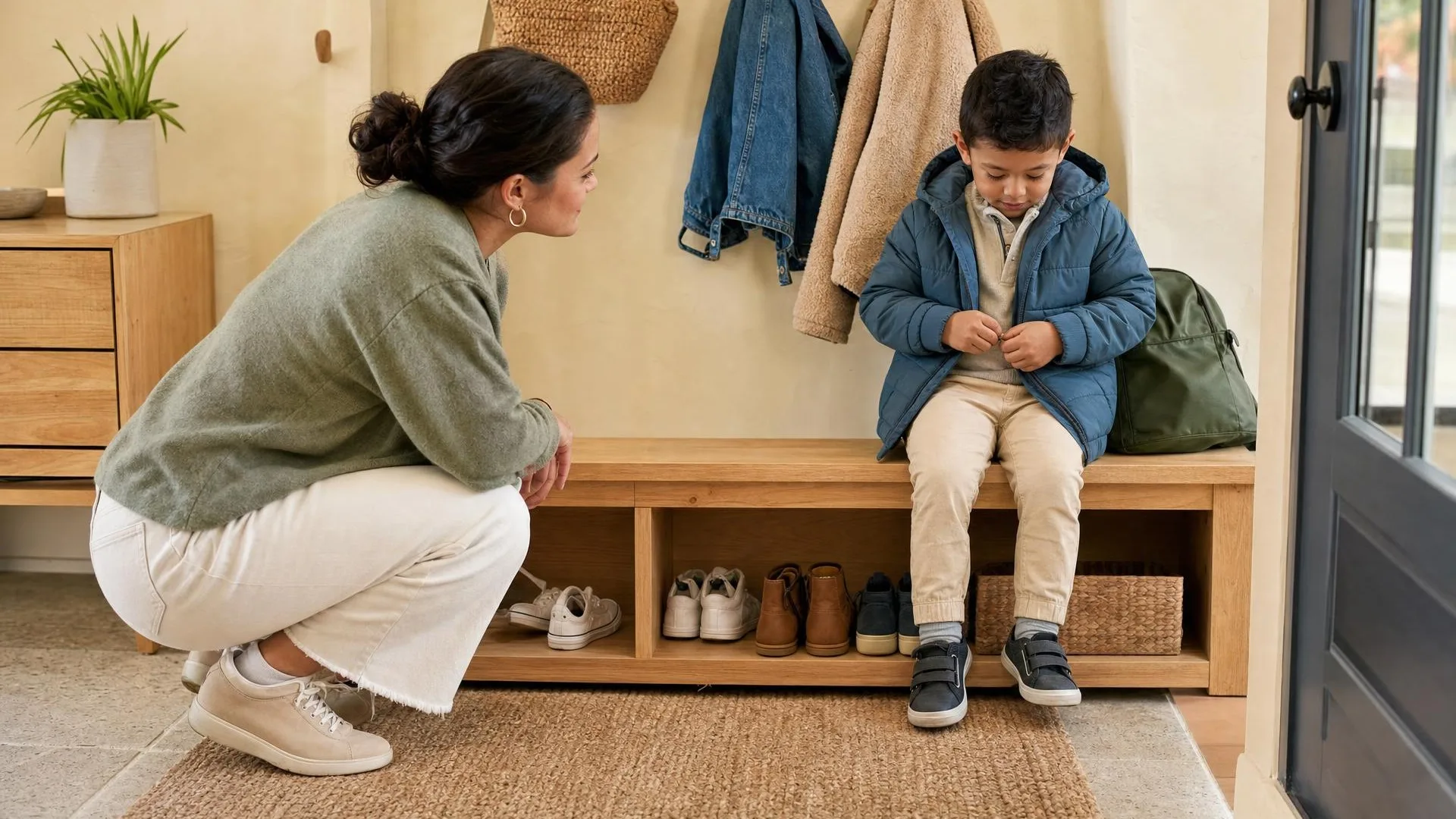
WonderKids OT has not only changed my son’s life for the better, but our family’s too.
Parent of a WonderKids clientRelated support
-
Sensory regulation Considering sensory experiences, body cues, and environments that affect participation.
-
Executive functioning Supporting planning, starting, shifting, and following through with everyday tasks.
-
Motor skills Building coordination, movement, and tool use for everyday activities.
-
Feeding therapy Considering food, sensory needs, tools, and family routines together.
Let’s discuss the best fit
Start with one recurring part of the day.