
When the world feels like too much, or not quite enough
Sensory experiences can affect how a child settles, moves, and joins in.

The nervous system is communicating
These reactions can be information about how a child is responding to their surroundings. The child is not the problem.
What you may be noticing
Strong reactions to sound, touch, clothing, grooming, crowds, or movement. A child may also seek movement or pressure.
-
Getting dressed or groomed Clothing, touch, grooming, or other body sensations may feel unusually difficult.
-
Moving through busy moments Sound, crowds, movement, meals, or transitions may take more effort than expected.
-
Settling and joining in A child may seek movement or pressure, need longer to recover after a busy day, or find play and attention harder to access.
How OT may help
We look for patterns, demands, and environments that make participation easier or harder, then build practical strategies.
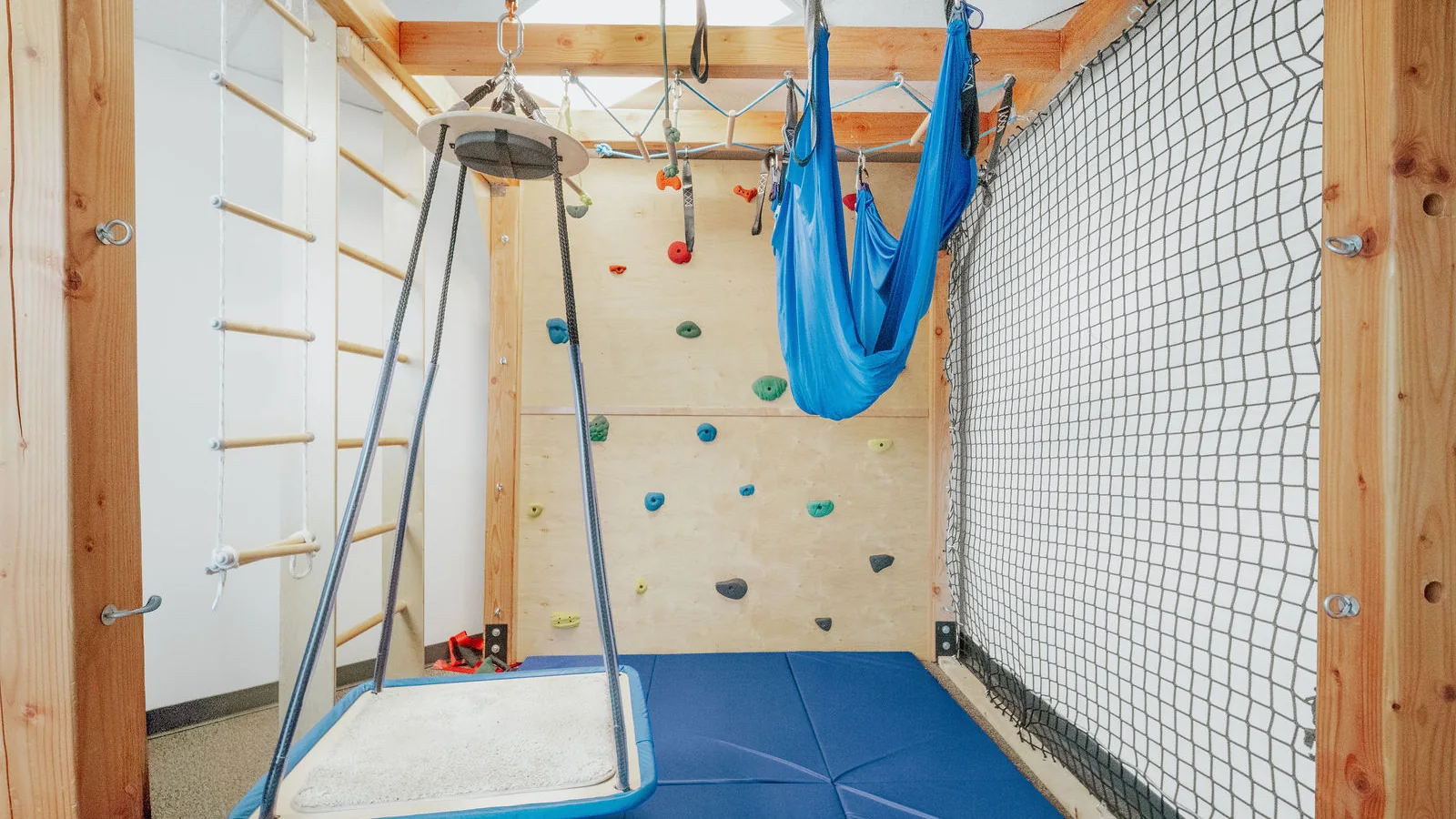
Support that fits everyday life
Depending on the child and family priorities, support may include:
Observation
Noticing patterns across activities, routines, and environments that affect participation.
Play
Using play and exploration to notice preferences, needs, and participation patterns.
Movement
Exploring movement to support participation, regulation, and confidence.
Routine planning
Looking at routines and daily demands to find practical adjustments.
Caregiver discussion
Working with caregivers to plan practical support that fits daily routines.
Using strategies in daily life
We may look at home routines, school participation, outings, sleep preparation, or self-care.
-
Home routines
-
School participation
-
Outings
-
Sleep preparation
-
Self-care

We came to understand our child’s sensory needs better, and he became more settled and relaxed during sessions.
Parent of a WonderKids clientRelated support
-
Emotional regulation Supporting recovery, flexibility, and shared regulation in everyday activities.
-
Motor skills Building coordination, movement, and tool use for everyday activities.
-
Daily independence Supporting participation in self-care and everyday routines.
-
Where support happens Considering the setting and people involved in everyday participation.
Let’s discuss the best fit
You can describe what you see without knowing the clinical term.