
Support for joining in, connecting, and playing in a way that fits
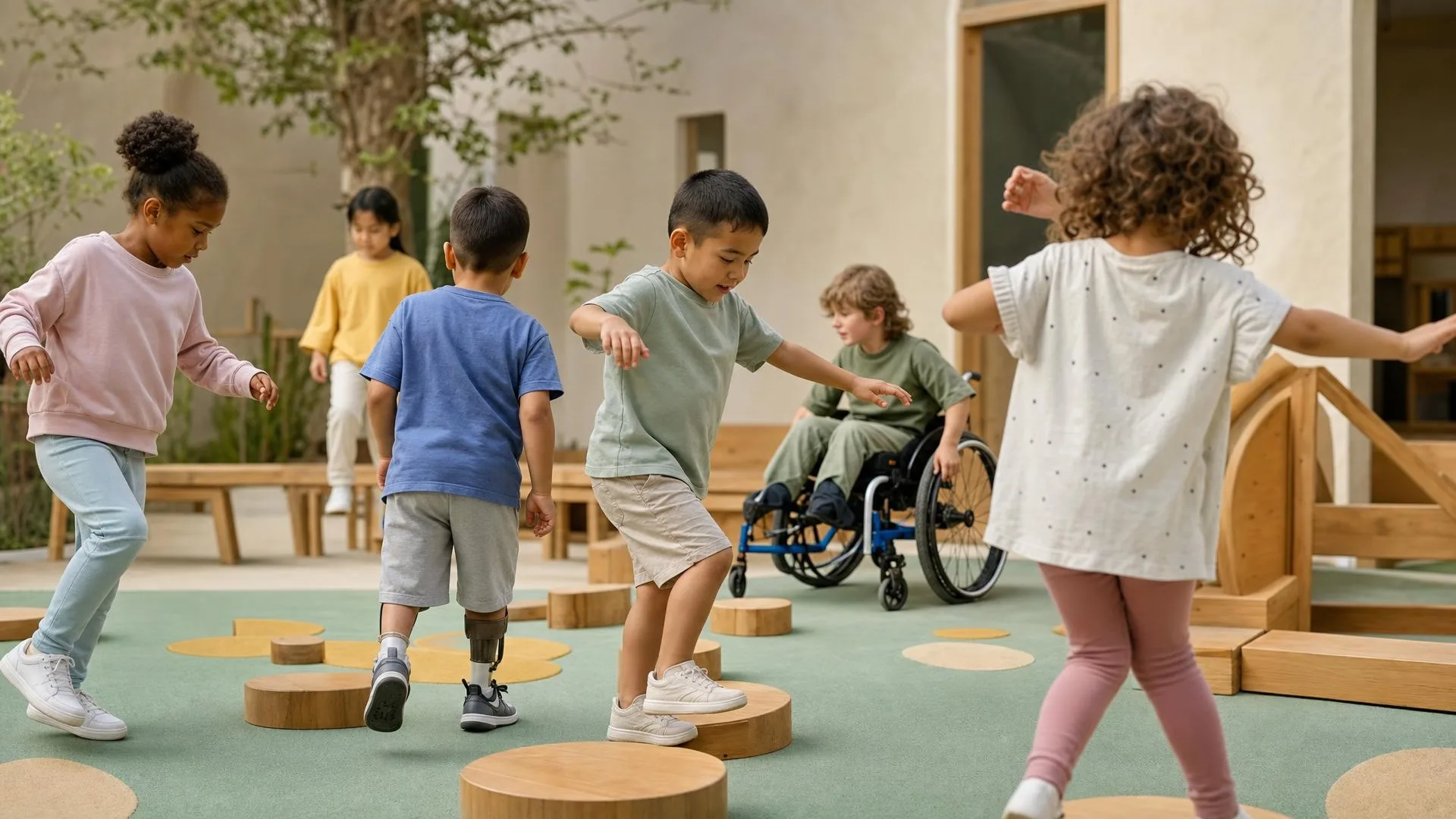
The aim is meaningful participation, not one expected social style.

Respecting communication and play differences
We focus on access, mutual understanding, self-advocacy, and play that feels meaningful to the child.
What you may be noticing
Difficulty entering play, sharing ideas, staying with a group activity, or finding a way to begin a connection.
-
Entering play A child may want connection while needing different conditions or supports to begin.
-
Sharing ideas Communication styles and the demands of the activity can affect participation.
-
Staying with a group activity Sensory needs, changing plans, and unclear expectations may make groups harder to access.
How OT may help
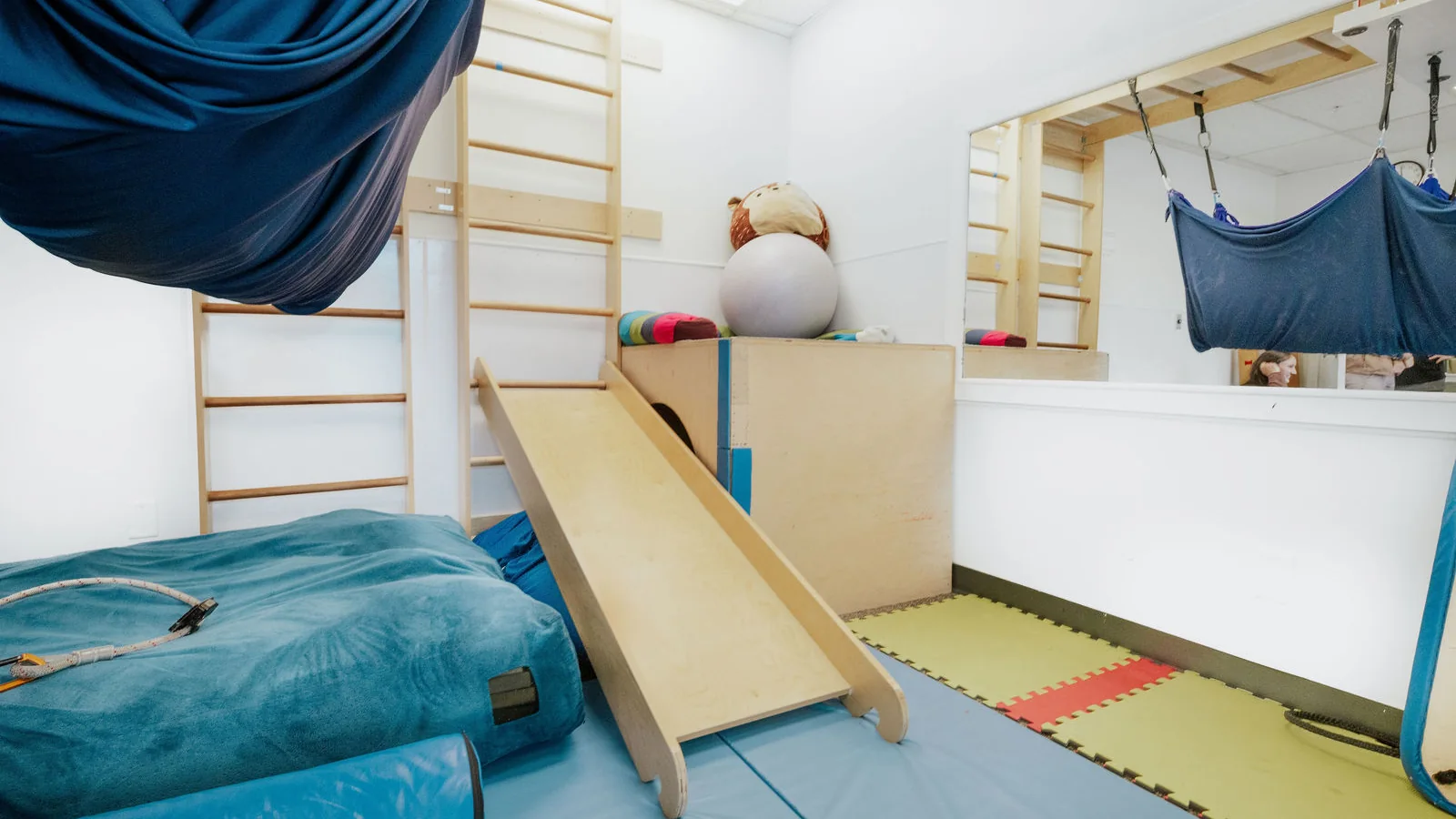
We explore the sensory, motor, emotional, and planning demands of play, then practise skills or adjust environments where useful.
Support that fits everyday life
Depending on the child and family priorities, support may include:
Shared games
Practising connection and participation through play that feels meaningful.
Collaborative projects
Making space for shared ideas, flexible roles, and mutual participation.
Movement play
Using movement play to explore connection, regulation, and group access.
Role practice
Trying out possible words, actions, or plans for real situations.
Reflection
Looking back together at what helped and what the child wants next.
Support beyond the session
Families and school teams can help create inclusive opportunities and realistic supports.
-
Family play
-
Shared activities
-
School teams
-
Inclusive opportunities
-
Reflection
His play skills have improved the most.
Parent of a WonderKids clientRelated support
-
Emotional regulation Supporting recovery, flexibility, and shared regulation in everyday activities.
-
Sensory regulation Considering sensory experiences, body cues, and environments that affect participation.
-
Executive functioning Supporting planning, starting, shifting, and following through with everyday tasks.
-
Where support happens Considering the setting and people involved in everyday participation.
Let’s discuss the best fit
Tell us what kinds of connection or play matter to your child.